Showing posts with label Sugar. Show all posts

Tuesday, July 27, 2021

3 Clinically Proven Ways To Stop Sugar Addiction and Cravings For Food

 Website content extracted from: 3 Clinically Proven Ways To Stop Sugar Addiction and Cravings For Food | Dr. Sam Robbins (drsamrobbins.com)

It’s been said that sugar addiction is like a drug… and can be worse than heroin, tobacco or cocaine. I’m not sure about that … However, what I AM certain about is the fact that all of these “drugs” work on the same “addiction pathway”, which is through dopamine receptors.

sugar addiction

And I’ve stated many times that the way you look and feel, is primarily based on your genetics and hormones … and similar “chemicals” in your body.

Now, you can’t change your genetics… But, you CAN change how your hormones work and thus, how, when or IF some of your genes are turned on (expressed) or off.

And thus, today I’m going to show you how you can turn OFF your “sugar addiction” and cravings.

And yes, for some people sugar “addiction” it is a genetic thing. In fact, we are ALL programmed to like sugar. It’s just that some people are MORE prone to sugar and food addiction than others.

I say this because I used to be totally and completely addicted to sugar, especially late at night or during times of stress.
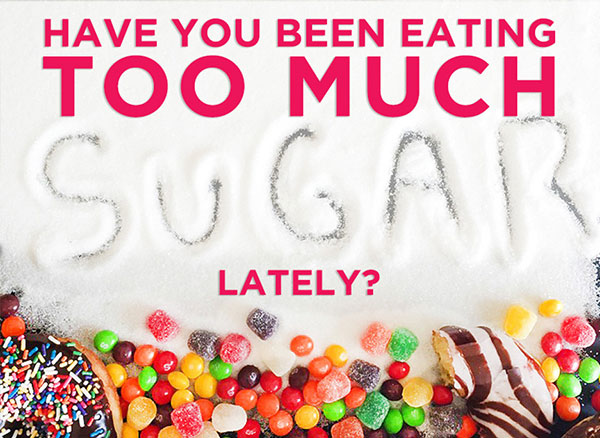
eating sugar lately

For me, it was gummy bears and chocolate. I wasn’t much into cake or similar pastries.

However, what’s interesting is the fact that I “genetically” crave salty, fried type of foods – NOT “sweets”.

So there are two questions here:

  1. WHY was I so addicted to sugar, despite my natural genetic tendency to crave the opposite type of foods (salty and fatty)?
  2. HOW did I finally “kill” the addiction and stop all my sugar cravings?

Why I Craved Sugar

When your body is under stress – either emotional and/or physical – various “stress” hormones and chemicals become imbalanced.

Why I Craved Sugar

This includes cortisol, adrenal hormones, serotonin and dopamine to name a few.

Two things that help rebalance these chemicals and that’s caffeine and sugar.

What’s interesting is that these two substances temporarily improve this problem … but hours later cause an even bigger crash and imbalance, which continually fuels the addiction and cravings.

And your body craves and prefers sugar, more than caffeine (coffee, tea, “energy” drinks, etc.) because it increases insulin levels — which is the OPPOSITE of what you want.

Anyway, so my point here was that my STRESS was causing me to craving sugar, to help rebalance everything.

STRESS causing to craving sugar

The second problem is that all of this sugar caused an increase in Candida yeast in my body. This growth is primarily found in your gut – it’s different than when women get a “yeast infection”.

What’s interesting is that the Candida yeast feeds off sugar. So what happens is that

  1. you eat sugar and high carb foods (sugar, breads, dairy, fruit, etc.)
  2. The Candida in your gut eats all the sugar
  3. Hours later YOU are craving more sugar again, to continue to feed the Candida

It’s a never ending cycle.

The Solution

So what you first need to do is KILL the Candida yeast in your gut.

You need to eliminate all foods that have yeast. This means breads, beer, peanuts, aged cheeses, etc. This reduces any more yeast from coming into your body.

Then you need to reduce and eliminate eating sugar to STOP FEEDING the existing yeast – this includes packaged foods, high carbohydrates, dairy, fruit, etc. … anything with sugar.

kick your sugar addiction

Finally, you need to add in GOOD bacteria into your gut and you can do this by taking probiotic, acidophilus pills.

Yes, I know … there are lots of limitations here on what you can or can’t eat. However, the end result is that your skin will improve, you’ll have more energy and crave less sugar.

Unfortunately, the main “challenge” here is that it takes time to see results, so you must be patient.

For me, it took many months.

However, if you want to speed up the results, still enjoy some of your favorite “sugar” foods occasionally and still kill your sugar cravings – then you can take some specific herbs and minerals that are proven to work by optimizing your blood sugar levels, improving insulin sensitivity and ending almost all sugar cravings.

This includes supplements such as Chromium, vanadyl sulfate, alpha lipoic acid, cinnamon extract, berberine, selenium and few others.

A combination of these ingredients, taken 2-3x daily … literally stopped all of my sugar cravings within days, normalized my blood sugar and helped decrease my body fat, especially around my belly.

It was almost magical and the secret was controlling my blood sugar.

Summary

Some of us are more addicted to sugar and foods than others, however — we ALL like sugar. To kill the cravings, you need to

  • Manage your stress, while also managing your blood sugar levels.
  • Eliminate Candida yeast in your body, which is fueling the sugar addiction
  • Take herbs and minerals which will quickly rebalance your hormones, improve your blood sugar and quickly kill off your sugar cravings, while reducing your appetite.

Monday, November 2, 2020

6 Painless Ways To Reduce Sugar In Your Diet

 Website content extracted from: https://www.herworld.com/life/wellness/painless-ways-reduce-sugar-diet-healthy-eating/?utm_medium=Social&utm_source=Facebook&fbclid=IwAR2utvE0HX50SWmPC576by6nWqRgXOJOLGjP5gRoCU4Zrndo5jBqkevA3_A

 Just eating less sugar will keep you from putting on weight, and reduce your risk of heart disease, diabetes and cancer

Tuesday, August 4, 2020

High blood sugar level makes it hard to get fit

Website: https://www.straitstimes.com/sport/high-blood-sugar-level-makes-it-hard-to-get-fit?fbclid=IwAR0tNh4d2UkMlcUGzcgKpC5k2b21p-3no0EXaBwC9u9LJHAdQylDXIm5MvY

Study finds 'diet and exercise should be considered together' to cut long-term heart, diabetes risks

People with consistently high levels of blood sugar could get less benefit from exercise than those whose blood sugar levels are normal, according to a cautionary new study of nutrition, blood sugar and exercise.
The study, which involved rodents and people, suggests that eating a diet high in sugar and processed foods, which may set the stage for poor blood sugar control, could dent our long-term health in part by changing how well our bodies respond to a workout.
We already have plenty of evidence, of course, that elevated blood sugar is unhealthy.
People with hyperglycaemia tend to be overweight and face greater long-term risks for heart disease and Type 2 diabetes, even if, in the early stages, their condition does not meet the criteria for those diseases.
They also tend to be out of shape. In epidemiological studies, people with elevated blood sugar often also have low aerobic fitness, while, in animal studies, rats bred with low endurance from birth show early blood-sugar problems, as well.
This interrelationship between blood sugar and fitness is consequential in part because low aerobic fitness is closely linked to a high risk of premature death.
But most past studies of blood sugar and fitness have been epidemiological, meaning they have identified links between the two conditions but not their sequence or mechanisms.
They have not clarified whether hyperglycaemia usually precedes and leads to low fitness, or the other way around, or how either condition manages to influence the other.
So, for the new study, which was published last month in Nature Metabolism, researchers at the Joslin Diabetes Centre in Boston and other institutions decided to raise blood sugar levels in mice and see what happened when they exercised.
They started with adult mice, switching some from normal chow to a diet high in sugar and saturated fat, similar to what many of us in the developed world eat nowadays. These mice rapidly gained weight and developed habitually high blood sugar.
They injected other mice with a substance that reduces their ability to produce insulin, a hormone that helps to control blood sugar, similar to when people have certain forms of diabetes.
Those animals did not get fatter, but their blood sugar levels rose to the same extent as among the mice in the sugary diet group.
Other animals remained on their normal chow, as a control group.
After four months, the scientists checked each mouse's fitness by measuring how long it could run on a treadmill before exhaustion.
They then put a running wheel in each animal's cage and let them jog at will for the next six weeks, which they did. On average, each mouse ran about 482km during that month and a half.
But they did not all gain the same level of fitness. The control group now ran for a much longer period of time on the treadmill before exhaustion; they were much fitter. The animals with high blood sugar showed little improvement. Their aerobic fitness had barely budged.
Interestingly, their exercise resistance was the same, whether their blood sugar problems stemmed from poor diet or lack of insulin, and whether they were overweight or slimmer. If they had high blood sugar, they resisted the benefits of exercise.
To better understand why, the scientists next looked inside muscles. And conditions there were telling. The muscles of the control animals teemed with healthy, new muscle fibres and a network of new blood vessels ferrying extra oxygen and fuel to them.
But the muscle tissues of the animals with high blood sugar displayed mostly new deposits of collagen, a rigid substance that seems to have crowded out new blood vessels and prevented the muscles from adapting to the exercise and contributing to better fitness.
Finally, since rodents are not people, the scientists checked blood sugar levels and endurance in a group of 24 young adults. None had diabetes, although some had blood-sugar levels that could be considered pre-diabetic.
During treadmill fitness testing, those volunteers with the worst blood-sugar control also had the lowest endurance, and when the scientists later microscopically examined their muscle tissues after the exercise, they found high activation of proteins that can inhibit improvements to aerobic fitness.
Taken as a whole, these results in mice and people suggest that "constantly bathing your tissues in sugar is just not a good idea" and could undercut any subsequent benefits from exercise, says Sarah Lessard, an assistant professor at the Joslin Diabetes Centre and Harvard Medical School who oversaw the new study.
In practical terms, the findings suggest that, for those of us whose blood-sugar levels depend on our diets, we might want to "cut back on sugar" and the highly processed, fatty foods that also can raise blood sugar and blunt exercise effects, she says.
More fundamentally, the study intimates that "diet and exercise should be considered together" when we start thinking about how to improve our health. They affect each other and they influence how each affects us more than we might expect, Dr Lessard says.
But perhaps most important, the study contains some encouraging data. The hyperglycaemic mice gained little endurance from their weeks of working out but they were beginning to show early signs of better blood-sugar control.
So, it might require time and gritty determination, but exercise eventually could help people with hyperglycaemia to stabilise their blood sugar, she says, and then start feeling their fitness rise.
NYTIMES

Wednesday, May 27, 2020

50 Foods That Won't Spike Blood Sugar

Website content extracted from: https://www.bistromd.com/diabetes/50-foods-that-wont-spike-blood-sugar


With the consequences of high blood sugar being harmful to health, learn how to control blood sugar with these 50 foods.


50 Foods That Won't Spike Blood Sugar


Though blood sugar spikes are oftentimes inevitable, they should not be a consistent phenomenon.
Initial signs of high blood sugar (also known as hyperglycemia) consist of increased thirst and frequent urination. But constant and long-term spikes of can create much bigger consequences.
The negative effects of high blood sugar include:
• Cardiovascular (heart and blood vessel) disease
• Nerve damage (neuropathy)
• Kidney damage (diabetic nephropathy) or failure
• Damage to the retina's blood vessels (diabetic retinopathy)
• Poor blood circulation to the feet, potentially leading to amputations
• Non-healing wounds
• Mouth and skin infections
• Bone and joint complications
More severe complications require emergency attention and include diabetic ketoacidosis and hyperglycemic hyperosmolar syndrome.

How to Control Blood Sugar Spikes

As mentioned, constant high blood sugar and spikes can startle and damage the body and its systems. 
The glycemic index (GI) measures how foods affect blood sugars, based on a one to 100 number scale. Low GI foods have a mild effect on blood sugars while high GI foods have a much greater impact. 
To keep blood sugars unshaken, stray away from highly sweetened items and go for non-carbohydrate or lower GI foods.

Non-Carbohydrate Foods

Meats, fats and oils are essentially absent of carbohydrates. 
Importantly, be mindful of the preparation method as breaded and battered meats will mostly contain some sort of carbohydrate in the form of flour and breadcrumbs. Additionally, allow a lean protein to be the main star of the dish rather than heavy portions of rice and potatoes. 
Healthy fats and oils, such as olive oil, have shown to improve blood sugar levels as well! For higher fat meats and oils, it still remains critical to monitor their intake, as they will still contribute to total calories.
1. Chicken
2. Turkey
3. Beef
4. Pork
5. Tilapia
6. Salmon
7. Eggs
8. Olive oil
9. Coconut oil

Low-Glycemic Foods

Though considered a carbohydrate source, the following foods have a low GI score (less than 55) and display a minimal to moderate impact on blood sugars.

Grains, Breads, and Cereals:

When choosing grains, breads, and cereals, go for one of these whole grain varieties to ensure adequate fiber and nutrients.
10. Barley
11. Bulgur
12. Quinoa
13. Corn tortillas
14. Wheat tortillas
15. 100% whole grain bread

Starchy Vegetables:

Yet still considered a vegetable, starchy vegetables mostly contain a higher carb count compared to non-starchy vegetables. Sticking to serving and portion sizes will keep carbohydrate moderated.
16. Carrots
17. Corn
18. Peas
19. Pumpkin
20. Zucchini

Non-Starchy Vegetables:

Nutrient-rich and low in calorie, these non-starchy vegetables average a low GI score of 15.
21. Asparagus
22. Broccoli
23. Cauliflower
24. Celery
25. Cucumber
26. Kale
27. Lettuce
28. Mushrooms
29. Onions
30. Bell peppers
31. Spinach

Fruits:

Despite fruits being a pure carbohydrate source, the natural sugars are complimented by fiber and additional nutrients. When choosing fruit, consider low GI fruits and stick with its whole form for a couple of reasons: 
One, canned fruits (such as peaches) may be soaking in syrups, thus increasing sugar content and glycemic index score. Two, fruit juices are often loaded with sugars and lack that precious fiber found in the peels and skins of fruit.
32. Apples
33. Avocados
34. Blueberries
35. Cherries
36. Grapefruits
37. Oranges
38. Peaches
39. Pears

Beans and Legumes:

Though such products do supply carbohydrate to the body, they are a plant-based protein and healthy fat source as well. 
Since most nuts and seeds are energy-dense (or heavy in calories for a relativity small volume), stick to recommended servings or portions, generally one-ounce or a small handful.
40. Cashews
41. Beans (black, kidney, etc.)
42. Peanuts
43. Soybeans
44. Hummus (prepared with chickpeas)

Dairy Products:

Dairy milk and associated dairy products do contain carbohydrates in the form of lactose, a naturally-occurring sugar. Despite lactose's existence, consuming these calcium-rich products will not spike blood sugars in their minimally processed form. 
It is, however, important to eliminate dairy products with added sugars such as a sweetened yogurts and ice creams. Choosing skim or part-skim milks and cheese can help reduce fat content, too.
45. Milk
46. Cottage cheese
47. String cheese
48. Cheddar cheese
49. Mozzarella cheese
50. Low-fat yogurt
Ultimately, a diet controlled in carbohydrate and balanced with adequate protein and healthy fats can help manage blood sugars. 
Trusting in a meal delivery service can ensure nutritional requirements are being met, all without the need of meal prep on your end!

Tea for fresh breath

Website: 1 尧妈汤厨发布了一篇小红书笔记,快来看吧! 😆 4zUicIOeSVfYiUW 😆 http://xhslink.com/uhQqLj,复制本条信息,打开【小红书】App查看精彩内容! Tea Ingredients: 竹蔗 Dried Sugar Can...