Website content extracted from: 10 Incredible Benefits of Cardamom Tea | Organic Facts
The top benefits of cardamom tea may include detoxifying the body, optimizing digestion, healing respiratory issues, improving bad breath, easing menstrual symptoms, reducing skin irritation, preventing chronic diseases, boosting circulation, protecting hair health, aiding weight loss, and lowering blood pressure, among others. The side effects of this popular tea are quite limited, and primarily affect those with allergies to this herb, with gallstone problems, and people taking certain medications. However, when prepared in moderation, also with permission from your doctor, this tea should be completely safe to consume.
What is Cardamom Tea?
Cardamom tea is derived from the crushed seeds of various plants in the Elettaria and Amomum genera. Native to India, but cultivated in many places around Asia and the rest of the world, cardamom seeds are contained within a seed pod and possess a very strong, aromatic flavor that can often dominate other spices in culinary applications. Even though it remains one of the most expensive spices in the world, but with an impressive range of active compounds and nutrients, the benefits it may provide are well worth the price! These health benefits come from the possibly high concentrations of eucalyptol, camphor, limonene, alpha-pinene, beta-pinene, and myrcene, as well as vitamin A, B, and C, potassium, iron, magnesium, copper, and zinc. [1]
Watch Video: 8 Powerful Benefits Of Cardamom Tea
Benefits of Cardamom Tea
Drinking cardamom tea is beneficial for people suffering from high blood pressure, a weak immune system, halitosis, respiratory infections, iron deficiency, split ends, dandruff, obesity, eczema, psoriasis, inflammation, painful periods, indigestion, constipation, and liver toxicity, as well as people at high risk for chronic diseases.
May Improve Skin Health
Thanks to the antioxidants, antimicrobial properties, minerals, and vitamins contained in cardamom seeds, this tea is commonly used to improve symptoms of eczema, psoriasis, acne, irritation, and inflammation. The tea can be consumed normally, or even cooled and applied topically to these sensitive areas for quick relief. It will not only soothe inflammation but also stimulate the regrowth of new cells, and protect against infections and irritation in the future. [3]
May Improve Heart Health
If you suffer from hypertension, cardamom tea may be an excellent new ally in your fight for great heart health (Azimi P et al., 2014). The high level of potassium found in this popular herb is what makes it so effective for high blood pressure, as potassium is a vasodilator and can reduce the strain on your arteries and blood vessels, thus lowering your risk for atherosclerosis, heart attack, and stroke. [4] [5]
May Act As A Remedy for Bad Breath
Halitosis is a problem for many people, which can stem from bacteria in the mouth, as well as symptoms of indigestion in the gut. Cardamom seeds are sometimes chewed in order to eliminate bad breath as they may have antimicrobial and antibacterial properties. Therefore cardamom seeds infused in cardamom tea make it a natural cure for bad breath. [6]
May Improve Hair
The possibly antioxidant, antimicrobial, and anti-inflammatory properties of cardamom tea combine to significantly improve your hair health. It can strengthen your hair strands and boost their appearance, protect the scalp against dryness and inflammation, and prevent skin infections that can lead to hair loss and dandruff!
May Improve Circulation
The stimulating activities of this tea may make it excellent for circulation, as does the possibly high content of iron, which is essential for red blood cell production. With more red blood cells, oxygenation of the skin and other organ systems increases, which is an overall boost for health. [7]
Potentially Anti-inflammatory Properties
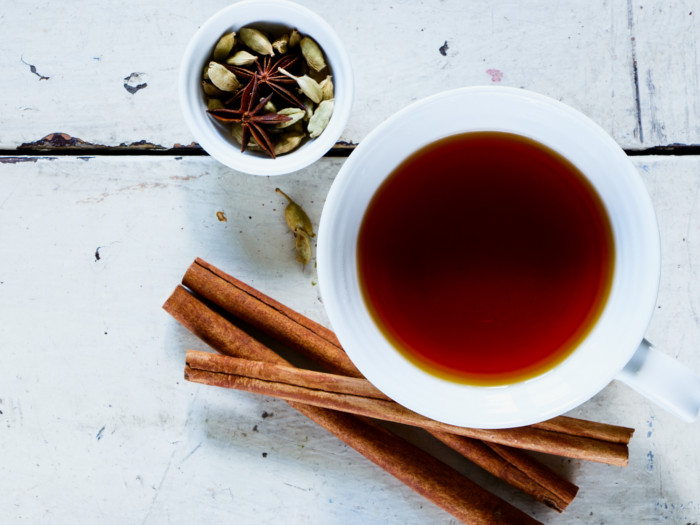
Cardamom tea helps in flushing out all the toxins. Photo Credit: Shutterstock
Traditionally, cardamom tea has been recommended for everything, from arthritis and headaches to injury recovery and chronic pain. There are analgesic and anti-inflammatory properties in cardamom tea, so whether you just had surgery or are suffering from an upset stomach, this tea can ease your pain. This is one of the reasons why so many women who suffer from painful periods turn to cardamom tea to ease discomfort and soothe cramps. [8]
May Improve Digestive Issues
There are powerful antimicrobial and anti-parasitic compounds released in cardamom tea that can help regulate your gut health, not only by eliminating parasites, but by also relieving flatulence, indigestion, constipation, and diarrhea. [9]
May Have A Potentially Detoxifying Power
Many people look at cardamom tea as a detoxifying agent that can stimulate liver function and promote the release of toxins from the body. This is also somewhat attributed to the possible diuretic nature of this tea, which increases urination and helps eliminate other unnecessary substances from the body. [10]
May Have Anticancer Potential
With a diverse range of potent antioxidants and volatile compounds in the oils of cardamom seeds such as limonene and cineole, this tea can help reduce oxidative stress and neutralize free radicals within the body. Studies show that while the phytochemicals in cardamom have not been studied in great detail, limonene and cineole show promising effects against carcinogenesis (Acharya A. et al., 2010). [11]
May Aid in Weight Loss
Many B-family vitamins are found in cardamom tea, which may help to stimulate the metabolism and helps the body work more efficiently, leading to higher levels of passive fat-burning and more energy, which can help people who are trying to lose weight!
How Do You Make Cardamom Tea?
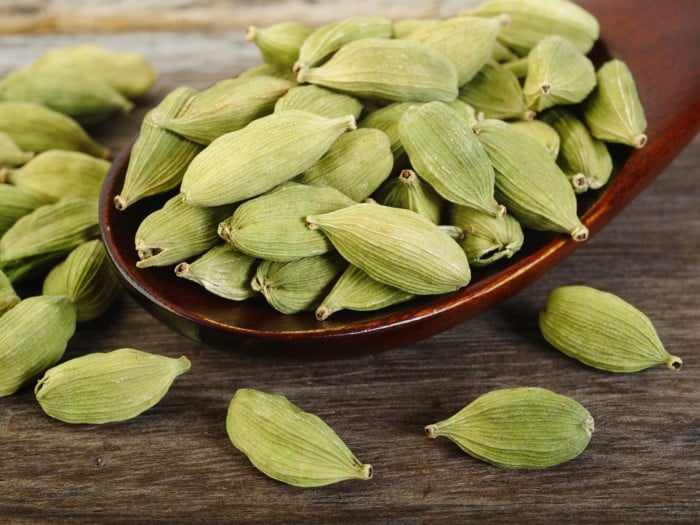
Making cardamom tea is quite easy, and cardamom pods are widely available around the world. All you need are cardamom seeds, hot water, black tea, and milk. If you purchase dried cardamom pods, don’t remove the seeds from the pod until you are ready to brew the tea, as they will lose their flavor and potency quite quickly. To brew the tea, open the pods and crush the seeds into a rough powder to release the oils and active components.

Cardamom Tea Side Effects
There are very few side effects to drinking cardamom tea, but if you have certain allergies, medical conditions, or are taking various medications, you should be cautious before adding this beneficial tea to your health regimen. Speaking to your doctor and using this tea in moderation is always recommended.
- Allergic Reactions – Allergies to members of the Elletaria and Amomum genera are rare, but they do exist, so drinking this tea (particularly a potent brew) may result in stomach upset, nausea, vomiting, diarrhea, contact dermatitis, shortness of breath, chest tightness, and inflammation of the lips, tongue, and throat.
- Pregnancy – Due to the wide range of antioxidants and volatile compounds found in cardamom tea, it is not recommended for pregnant or breastfeeding women, as some of those potent components will be passed along to the fetus or infant.
- Gallbladder Issues – If you have gallstones, cardamom should only be used in small amounts, typically as a spice in food, but not in a concentrated form, like tea. It can cause gallstone colic, which is a painful type of spasm. [15]
- Drug Interactions – If you are taking medications like anti-depressants, anticoagulants, aspirin, gallstone medication, or prescriptions for irritable bowel syndrome, be sure to consult your doctor before adding this healthy brew to your diet.
Dosage Using cardamom in cooking is safe for most people. Cardamom supplements and extracts have not been thoroughly researched and should only be taken under the guidance of a healthcare provider. Dosages reported in studies varied greatly depending on the type of cardamom extract or preparation. For cardamom powder, 3g daily seems sufficient for most health benefits and is within normal doses for dietary cardamom intake.